




Reliable power shouldn't be limited to places with wall outlets. Whether you're camping outdoors, traveling by car, working remotely, or preparing for unexpected power outages, having a dependable portable power source makes everyday life easier.
A 100W portable power station offers a practical balance of portability and functionality. Unlike traditional power banks that mainly charge USB devices, a compact portable power station combines battery storage, AC power conversion, and multiple output options in one convenient unit.
With pure sine wave AC output, USB-C PD fast charging, USB-A ports, and 12V DC connectivity, this compact power solution can keep essential electronics running wherever you need power.
Let's explore what a 100W portable power station can do, how it works, and why it deserves a place in your everyday outdoor and travel gear.

1. What Makes a 100W Portable Power Station Different?
A portable power station is more than just a large power bank. It integrates a rechargeable battery, power management system, inverter, and multiple output interfaces to support different types of electronic devices.
A compact 100W power station bridges the gap between traditional USB power banks and larger portable generators.
Its main advantage is versatility. You can charge USB-powered devices directly, connect compatible 12V DC equipment, or use the AC outlet to power small electronic devices.
Pure Sine Wave AC Output
One of the most important features of a portable power station is its AC inverter.
A pure sine wave inverter converts stored DC energy into smooth AC electricity, providing stable power for compatible electronic equipment.
Compared with modified sine wave output, pure sine wave power is better suited to sensitive electronics and devices with AC adapters.
With up to 100W AC output, a compact power station can support compatible devices such as:
-
Laptop chargers
-
Camera battery chargers
-
Small portable fans
-
LED lighting
-
Wi-Fi routers
-
Other low-wattage electronic equipment
Always check the rated power consumption of your device before connecting it. The combined AC load must remain within the station's 100W continuous output limit.
2. Multiple Output Ports for Everyday Devices
Different electronic devices require different charging interfaces. A versatile portable power station should make it easy to power multiple types of equipment without carrying several separate adapters.
A 100W portable power station offers several practical output options.
USB-C PD Fast Charging
USB-C Power Delivery (PD) provides efficient charging for compatible laptops, tablets, and smartphones.
With USB-C PD output of up to 60W, the power station can charge many everyday USB-C devices directly, reducing the need for bulky AC charging adapters.
Dual USB-A Outputs
Two USB-A ports provide convenient charging for smartphones, wireless earbuds, GPS devices, headlamps, and other USB-powered accessories.
They are especially useful when several smaller devices need power simultaneously.
12V DC Output
Dedicated 12V DC barrel ports support compatible DC-powered accessories, including selected portable lighting, networking equipment, and other outdoor electronics.
The DC interface also provides flexible charging options when paired with compatible wall adapters or solar charging equipment.
With AC, USB-C, USB-A, and DC connectivity in one unit, a compact power station makes everyday charging more convenient.
3. How Long Can a 100W Portable Power Station Power Your Devices?
When choosing a portable power station, it's important to understand the difference between watts (W) and watt-hours (Wh).
-
Watts (W) measure power output, indicating how much power a device can receive at a given moment.
-
Watt-hours (Wh) measure battery capacity, indicating how much energy is stored and available for use.
For example, a 100W AC output rating does not mean the power station can supply 100W continuously for an entire day. Actual runtime depends on battery capacity and the power consumption of connected devices.
How to Estimate Battery Runtime
For AC-powered devices, a useful estimation formula is:
Estimated Runtime (Hours) = Battery Capacity (Wh) × Conversion Efficiency ÷ Device Power (W)
Assuming a 100Wh battery and approximately 85% inverter efficiency, the estimated runtime would be:
| Connected Device | Power Consumption | Estimated Runtime |
|---|---|---|
| LED Light | 10W | 8.5 Hours |
| Wi-Fi Router | 20W | 4.25 Hours |
| Laptop | 45W | 1.9 Hours |
| Laptop | 60W | 1.4 Hours |
These figures are illustrative calculations based on a hypothetical 100Wh battery. Actual runtime varies with battery capacity, device consumption, conversion losses, temperature, and operating conditions.
Understanding both output power and battery capacity helps you choose the right portable power station for your needs.
4. Compact Design for Camping, Travel & Remote Work
A portable power station should provide more than reliable electricity. It should also be easy to carry, store, and use in different environments.
A compact and lightweight design makes a 100W power station particularly useful for people who frequently travel or spend time outdoors.
Camping and Outdoor Adventures
Camping often involves powering several small electronic devices, from smartphones and camping lights to portable fans and GPS equipment.
A mini portable power station provides a convenient source of electricity without relying on traditional wall outlets.
Whether you're enjoying a weekend campsite or spending time in a remote outdoor location, it helps keep your essential devices ready for use.
Photography and Content Creation
Photographers and content creators often rely on multiple electronic devices throughout the day.
Camera battery chargers, drones, laptops, smartphones, and portable lighting equipment all require reliable power.
A compact portable power station provides a practical charging solution for compatible low-wattage equipment, helping creators stay productive during outdoor shoots and remote projects.
Remote Work and Business Travel
Working outside a traditional office requires dependable access to power.
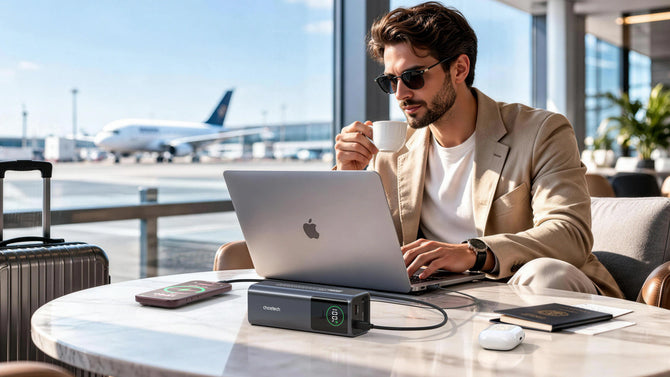
A portable power station can support compatible laptops, smartphones, Wi-Fi routers, and other essential electronics, making it useful for remote work, road trips, and temporary workspaces.
Its compact design also makes it easier to transport and store alongside everyday travel equipment.
Emergency Backup Power
Unexpected power interruptions can affect communication, lighting, and everyday electronic equipment.
A small backup power station provides temporary electricity for compatible low-power devices, helping keep essential electronics operating during short outages.
For larger appliances or extended home backup, a higher-capacity power station is a more suitable choice.
5. Solar Charging for Greater Off-Grid Freedom
One of the biggest advantages of a portable power station is the ability to recharge it without relying entirely on the electrical grid.
When paired with a compatible foldable solar panel, a solar-ready portable power station can collect energy from sunlight and store it for later use.
Compact solar panels in the 30W–60W range are practical options for smaller portable power systems, depending on the station's supported input specifications.
Why Choose Solar Charging?
More Charging Flexibility
Recharge your power station in suitable outdoor environments without depending on a conventional power outlet.
Convenient for Extended Outdoor Trips
Solar charging can help replenish stored energy during camping, road trips, and remote outdoor activities.
A Practical Renewable Energy Option
Using sunlight to recharge a portable battery provides an additional energy source for everyday electronics.
Before connecting a solar panel, always check the power station's supported solar input voltage, current, connector type, and maximum input wattage.
Actual charging performance depends on sunlight intensity, panel orientation, weather, and conversion efficiency.
6. Intelligent BMS Protection for Safer Operation
Battery safety is essential when choosing a portable power station.
A Battery Management System (BMS) continuously monitors important battery operating conditions, helping protect the battery during charging and discharging.
A well-designed BMS can provide multiple layers of protection, including:
-
Overcharge Protection
-
Over-Discharge Protection
-
Overcurrent Protection
-
Overload Protection
-
Short-Circuit Protection
-
High-Temperature Protection
-
Low-Temperature Protection
-
Cell Balancing
These protection functions help maintain stable operation, reduce potential battery risks, and support long-term battery performance.
For portable power systems, effective battery management is just as important as output power and charging speed.
7. What Can a 100W Portable Power Station Actually Run?
A 100W portable power station is designed for essential low-wattage electronics rather than high-power household appliances.
It is important to check both the rated power and startup requirements of connected devices.
Suitable Applications
| Device Category | Typical Application |
|---|---|
| Smartphones & Tablets | USB charging |
| Laptops | Compatible USB-C PD or AC charging |
| Cameras & Drones | Battery charging |
| LED Lights | Portable lighting |
| Wi-Fi Routers | Networking and communication |
| Small Fans | Personal cooling |
| GPS Devices | Outdoor navigation |
What Should You Avoid?
High-power appliances such as electric kettles, hair dryers, space heaters, and large cooking appliances typically require several hundred watts or more.
These devices exceed the continuous output capability of a 100W power station and should not be connected.
Choosing a power station based on your actual device requirements helps prevent overload and ensures a better user experience.
8. How to Choose the Right Compact Portable Power Station
Not all small portable power stations offer the same capabilities. Before purchasing one, consider the following factors.
1. Rated AC Output
Check the continuous AC output rating and make sure it meets the requirements of your intended devices.
A pure sine wave inverter is a useful feature for compatible sensitive electronics.
2. Battery Capacity
Battery capacity, measured in Wh, determines how much energy is available.
If you mainly charge smartphones, cameras, and small accessories, a compact battery may be sufficient. For longer trips or more demanding devices, consider a larger capacity.
3. Charging Ports
Look for a combination of AC, USB-C PD, USB-A, and DC outputs to support different devices.
4. Battery Protection
A reliable BMS with comprehensive protection functions helps improve operational safety and battery management.
5. Solar Charging Compatibility
If you plan to use your power station outdoors, check whether it supports solar input and whether compatible portable solar panels are available.
6. Size and Portability
Consider the overall dimensions, weight, and carrying design. A lightweight portable power station is easier to transport and store during travel and outdoor activities.
9. Frequently Asked Questions About 100W Portable Power Stations
Is a 100W portable power station worth buying?
A 100W portable power station is useful for people who need compact backup power for everyday electronics, camping, photography, and remote work. It offers more connection options than a conventional USB power bank, including AC and DC outputs.
Can a 100W portable power station charge a laptop?
Yes. It can charge compatible laptops through USB-C PD output of up to 60W or through the AC outlet, provided the laptop charger stays within the 100W AC output limit.
Charging speed depends on the laptop's power requirements and charging compatibility.
Can a 100W portable power station run a mini refrigerator?
It depends on the refrigerator's rated power, startup current, and DC compatibility. Many refrigerators require more power than a 100W station can provide. Always check the device's operating and startup requirements before use.
Can I recharge a portable power station with solar panels?
Yes, if the power station supports solar charging and the panel meets its input specifications. Compatible foldable solar panels provide a convenient way to recharge the battery outdoors.
What is the difference between a 100W power station and a 100Wh power station?
100W refers to the power output rating, while 100Wh refers to stored battery energy.
A power station can have a 100W output and a battery capacity greater than or less than 100Wh. These two specifications describe different aspects of performance.
Is a 100W portable power station suitable for home backup?
It can provide temporary power for small electronics, such as phones, routers, and LED lights. However, it is not designed to replace a larger home backup system or power high-wattage household appliances.
Conclusion: Small Power, More Possibilities
A compact 100W portable power station offers a practical way to stay connected and keep essential electronics powered beyond the limits of conventional wall outlets.
With pure sine wave AC output, USB-C PD fast charging, multiple USB ports, 12V DC connectivity, solar charging compatibility, and intelligent battery protection, it brings together the essential features needed for everyday mobility and outdoor convenience.
From camping and photography to remote work and short-term emergency backup, the right compact portable power station can make a meaningful difference.
Stay Powered. Stay Connected. Go Further.
Explore CHOETECH portable power solutions and find the right power companion for your next adventure.


